How Master Key Systems Work — And Why Hierarchy Matters
A key hierarchy is organized around levels of access. At the top sits the grand master key, typically held by an owner or executive, which operates every lock in the entire facility. Below that are sub-master keys, each of which opens a defined zone — say, the warehouse wing but not the executive suite, or the second floor but not the server room. Individual change keys sit at the base of the pyramid, each operating exactly one lock. The beauty of this structure is compartmentalization: a delivery driver can access the loading dock without ever being able to reach sensitive filing rooms, and a department supervisor can manage their floor without touching areas outside their authority.
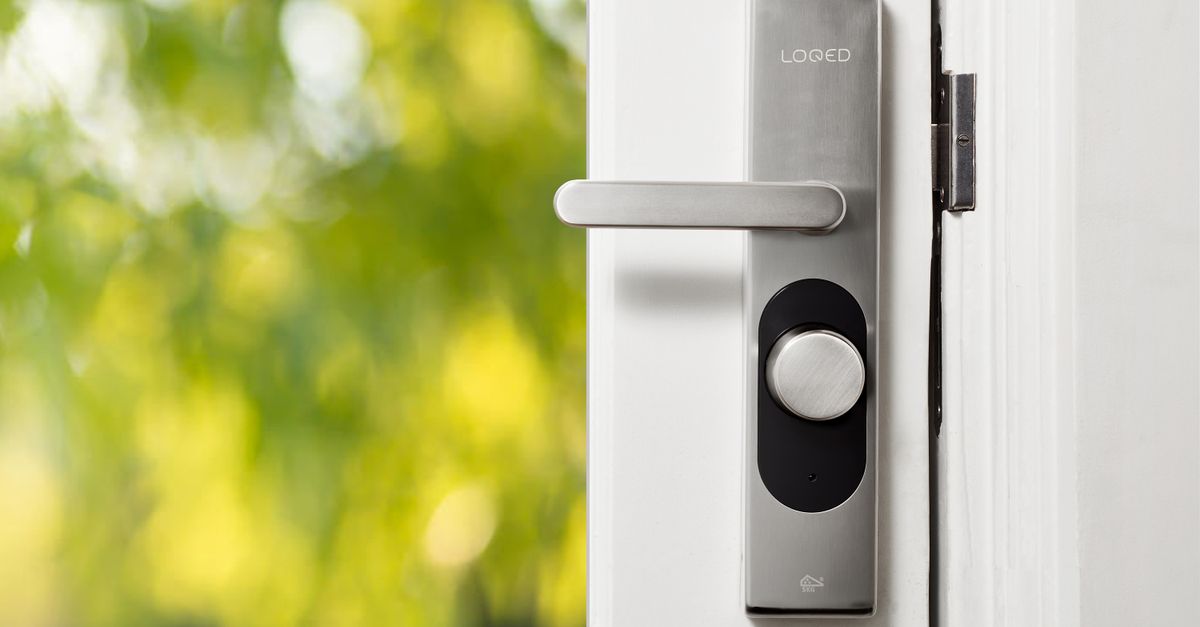
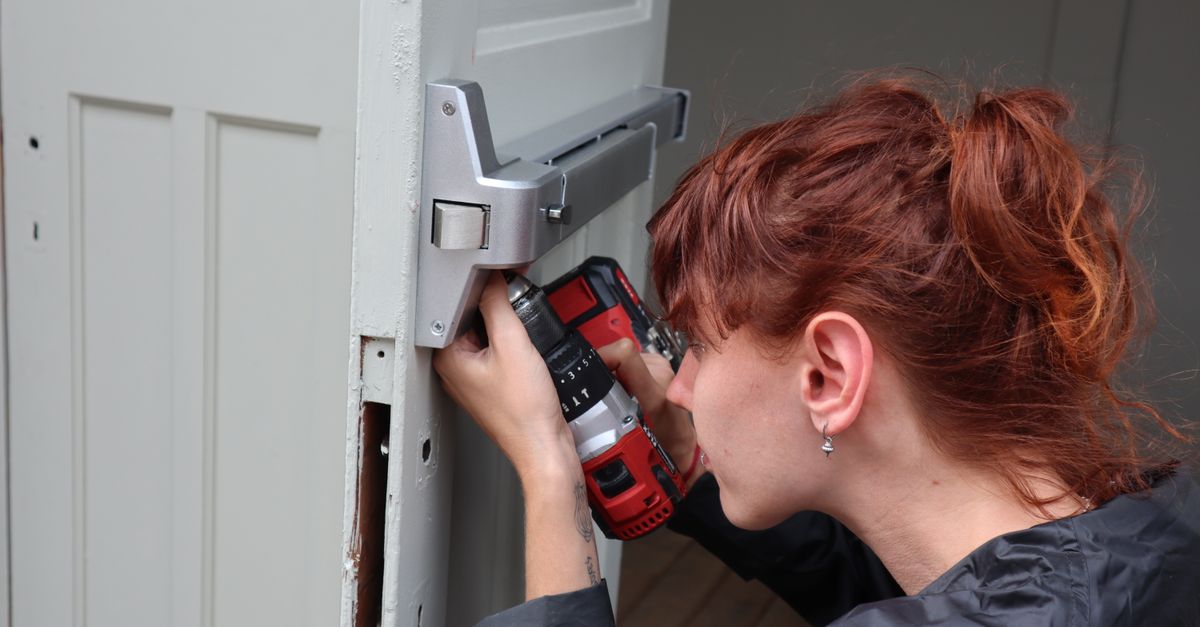
Building this hierarchy correctly requires careful planning before a single lock is ordered. Our experienced technicians begin with a key control consultation — mapping your floor plan, identifying every lockable point, and assigning access levels to each role in your organization. For businesses with mortise lock hardware (the heavy-duty, lever-and-deadbolt combination units common in commercial doors throughout the Helotes and greater San Antonio area), this planning phase is especially critical, because mortise lock cylinders must be pinned in coordinated sets. Get that pinning wrong and the hierarchy collapses — a change key that shouldn't open a room will, or a sub-master that should open a zone won't. We get it right the first time.